Rebuilding a kitchen planning platform for speed
A German kitchen software company had outgrown its TYPO3 website and 3D planner. We rebuilt both on Next.js, so pages open faster, planning feels smooth and more visitors turn into leads.
Completed
November 2026
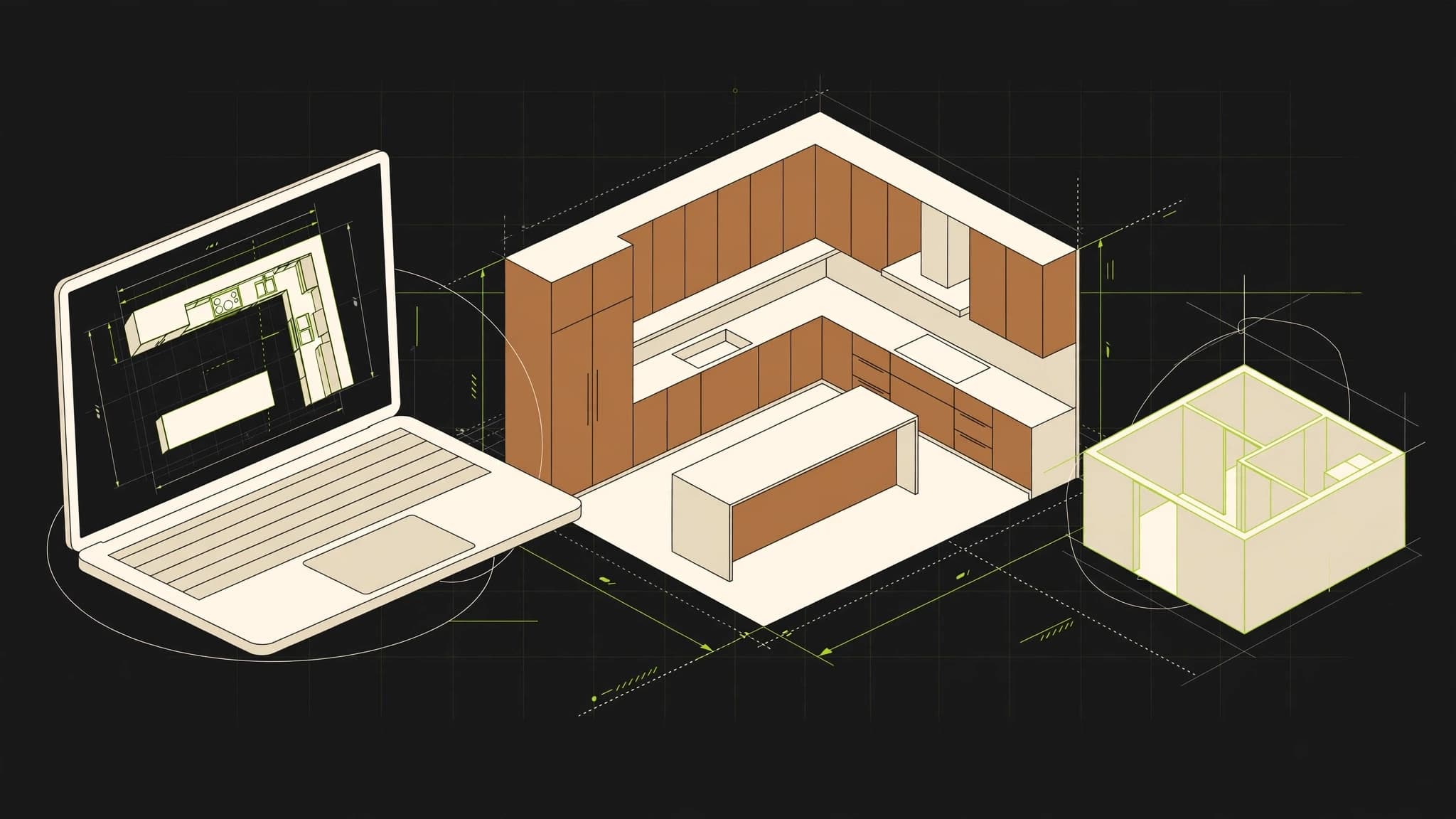
A German company that sells kitchen planning software to kitchen retailers came to us with a familiar problem. Their website and their 3D planner had both become slow, and the TYPO3 platform underneath them was the reason.
The website is where a retailer first meets the product. The planner is where a customer sits down and designs a kitchen. If the first feels sluggish, visitors leave before they ever see the second. If the second lags, the people the product exists for get frustrated. The business needed speed, and it needed more of its visitors to leave their details.
We rebuilt the website and the planner on Next.js. The planner stayed at the centre of the experience, since it is the heart of the product, and everything around it was reworked for speed: the pages, the planning flow and the 3D kitchen animation itself.
The result is a site that loads faster, a planner that runs smoothly and a better rate of visitors becoming leads. The product now feels as modern as the kitchens it helps people plan.
Client: A German kitchen software company
Work: Website and 3D kitchen planner rebuilt
Platform: Moved from TYPO3 to Next.js
The challenge
The company sells kitchen planning software to kitchen retailers. Its website is where retailers first meet the product, and its planner is where customers design their kitchens in 3D. Both had grown slow on the old TYPO3 platform. A slow site loses visitors, and a slow planner frustrates the very people the product is built for. The business needed speed, and it needed more of its visitors to become leads.
The planner is the product in action. A retailer sits with a customer and designs a kitchen in 3D, and that session is where the sale is won or lost. If the planner lags while a customer is choosing cabinets and worktops, the retailer loses the room. If the website feels slow before the retailer even opens the planner, the visit ends before it starts. Speed was not a nice extra. It was the sale itself.
What we built
We rebuilt the website and the planner on Next.js. The planner stayed at the centre of the site, because it is how customers design their kitchens. Everything around it was rebuilt for speed: the pages, the planning flow, and the 3D kitchen animation itself.
We started with the planner, because that is where the value sits, then rebuilt the pages and the planning flow around it. Moving from TYPO3 to Next.js gave the site a modern base: pages render fast, the planner responds as the customer drags and drops, and the whole experience feels built for today, not carried over from an older platform.
The outcome
The site is faster. The planner runs smoothly. More visitors turn into leads. The product now feels as modern as the kitchens it helps plan.
Retailers get a planner that keeps up with a live sales conversation, and customers get a design tool that responds the moment they touch it. The site does its job in the background, quietly and quickly, and the product is judged on the kitchens it helps design, not on the waiting.