The chatbot just got a job
Until now, AI waited for you. You typed, it answered, the conversation ended. OpenAI's new Dots, launched this week, break that pattern: each dot is an always-on agent with its own cloud computer and browser, connected to thousands of apps, that keeps working on your behalf in the background — monitoring, drafting, researching, and bringing finished work back for your approval.
It's a genuine shift. The demo that stuck with us: a dot that noticed its owner had forgotten to invoice a client, prepared the invoice, and sent it once approved. That's not a chatbot. That's a junior employee who never sleeps.
What business owners are really asking
The question we're already hearing from clients: "If the agent does the work, do I still need custom software?"
Short answer: yes — arguably more than before. Dots are excellent at generic work: scheduling, research, drafting, summarizing. But your business doesn't run on generic work. It runs on your systems — your store, your CRM, your inventory, your internal tools — and a dot doesn't natively know any of them.
Gap one: governance
An agent that acts on your behalf around the clock is powerful, and power needs boundaries. Which systems can it touch? Which actions need a human's approval? If it makes a mistake at 3 AM, where's the trail?
OpenAI provides approval controls and custom rules, but configuring them for a real business — with real data, real customers, and real liability — is a design job, not a settings toggle. Get it wrong and you've handed the keys to software that never gets tired and never asks twice.
Gap two: the platform
A dot lives inside OpenAI's ecosystem. Your logins, your workflows, and your business data flow through someone else's platform, on someone else's terms and pricing. That's fine for experimenting. It's a fragile foundation for the processes your business depends on.
The alternative isn't to avoid agents — it's to own the layer that matters. Your data stays in your systems. The agent becomes a worker you deploy, not a landlord you rent from.
The pattern we're building: bridge the agent to your business
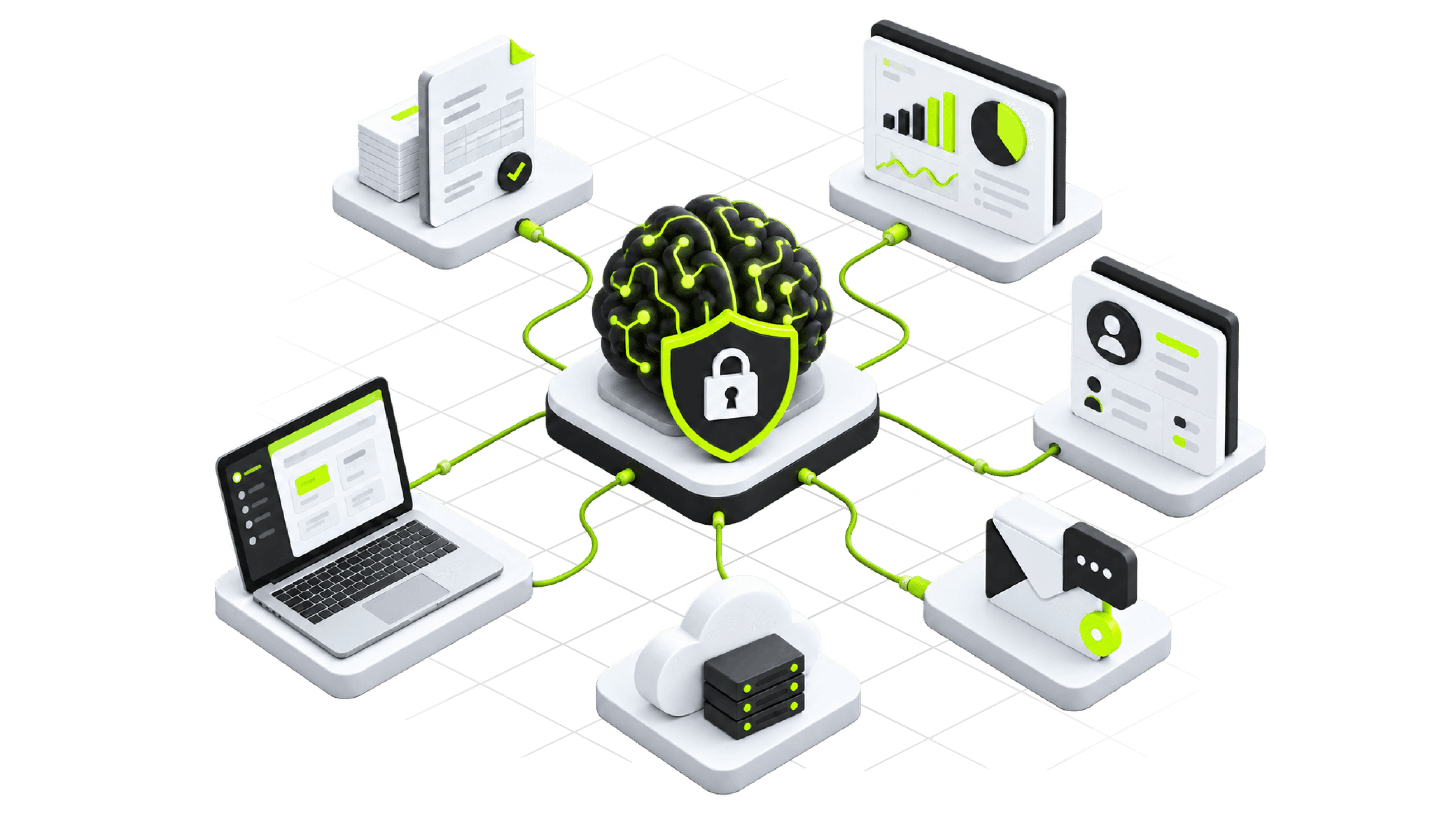
This is where we land with clients, and it's the pattern we're now implementing: don't choose between Dots and your software — connect them.
Take a typical example. A dot monitors your inbox and Slack for customer issues — great, it never misses anything. But the truth about each order lives in your e-commerce backend, and the refund policy lives in your head. So we build the bridge: secure API connections from the dot into your systems, an approval step where your team reviews what the agent proposes, and automated execution once approved. The dot drafts, your team approves, your systems execute. The manual work in between — copying details from email into the backend, chasing approvals over chat — disappears.
The agent handles the watching and drafting. Your software remains the source of truth. We build the ecosystem around both: the integrations, the guardrails, the workflows.
Our advice if you're considering Dots
Start with one workflow, not ten. Keep a human in the approval loop from day one — you can loosen it later, but you can't undo an agent's mistake. And keep your data layer yours: connect the agent to your systems rather than moving your business into the agent's home.
Done right, always-on agents are the biggest productivity unlock we've seen for small and mid-size businesses. Done casually, they're a liability with a friendly avatar.
We help businesses design and build exactly this — AI agents wired into their own software, with proper guardrails. If you're wondering what an agent could take off your team's plate, we offer a free 30-minute strategy session.